01
World Models and Video Generation
Physically plausible generation, multi-shot visual reasoning, controllable motion, and video-native representations.
HKUST AMC
DNA Lab studies generative world models, multimodal agents, and controllable visual intelligence for systems that can see, make, reason, and act in dynamic environments.
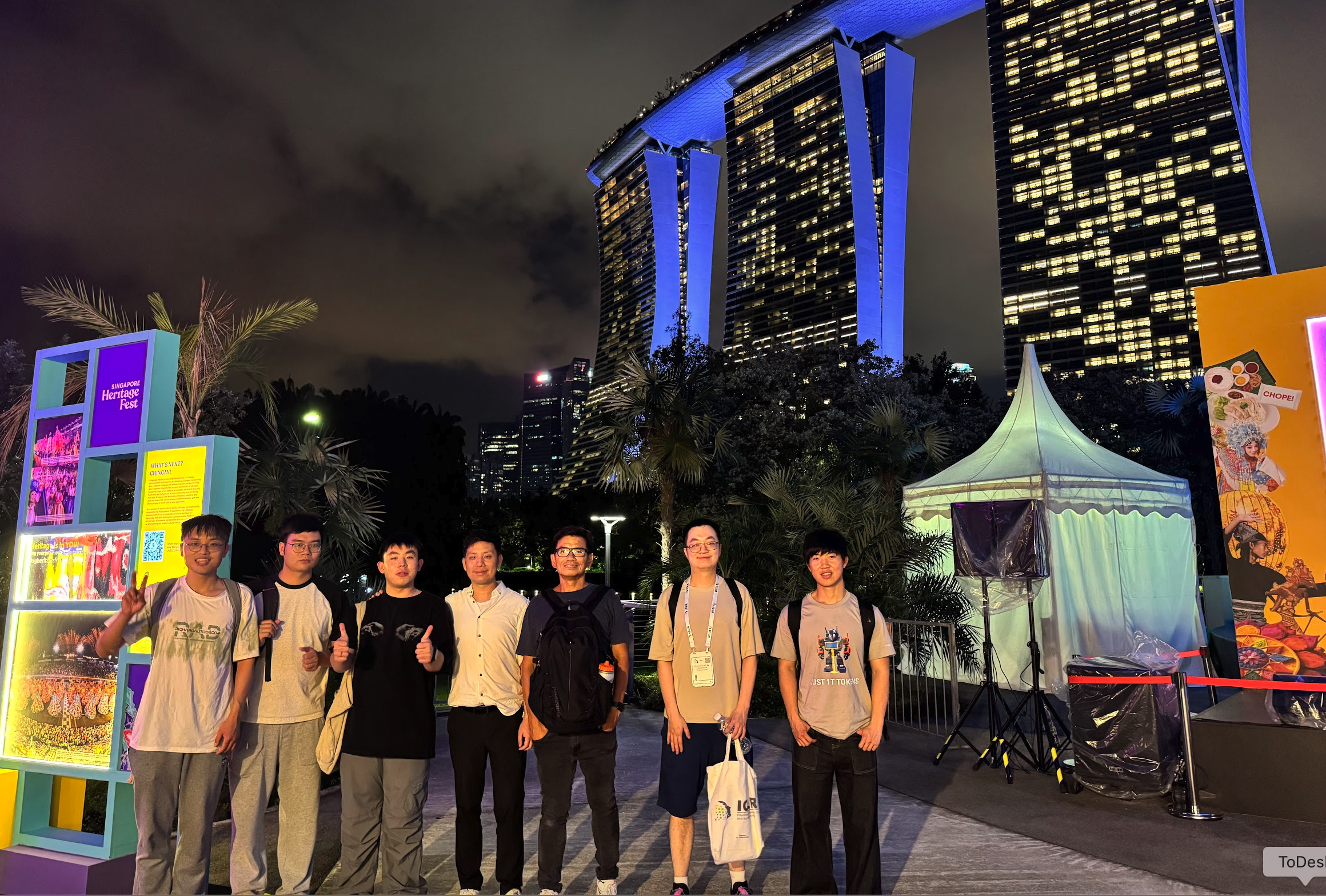
We build AI systems around three connected questions: how neural models represent a changing world, how humans steer generated media and agents, and how research prototypes become reliable tools for creative, scientific, and social use.
DNA Lab's agenda connects image and video generation, world modeling, embodied and GUI agents, efficient model adaptation, and human-centered applications.
Physically plausible generation, multi-shot visual reasoning, controllable motion, and video-native representations.
Agents that ground decisions in pixels, structure, evidence, and interactive feedback instead of brittle language-only traces.
Quantization, feature reuse, preference optimization, and scalable training or inference methods for modern generative models.
AI-guided creation, narrative self-films, health companions, video tools, and interfaces that keep human intent in the loop.
DNA Lab is led by Harry Yang at HKUST AMC, with students and interns working across visual generation, multimodal reasoning, agents, and applied AI systems.
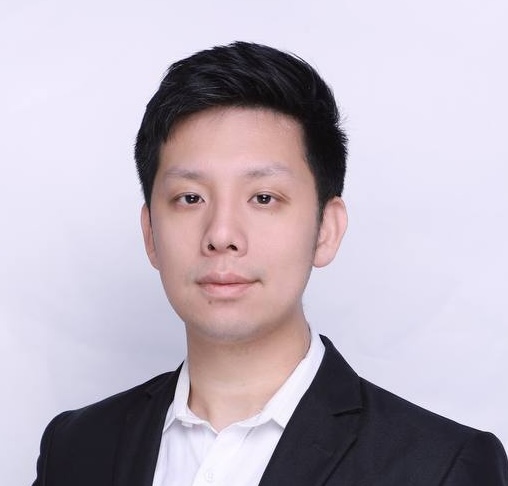
Assistant Professor at HKUST AMC and affiliate of HKUST Von Neumann Institute. Previously Visiting Professor at Yale and Research Scientist at Meta.
Recent work from Harry Yang's group, selected from the current hyang.org research list.
DNA Lab welcomes strong PhD, RA, and internship candidates interested in video generation, multimodal agents, world models, and AI systems.
RPG students, research assistants, and interns. Strong students are encouraged to apply for HKPFS.